Rising fuel costs adding to pressure in rural communities
Published by Radio New Zealand.
Rural GPs are already facing challenges because of rising fuel prices and some are stocking up on extra medical supplies.
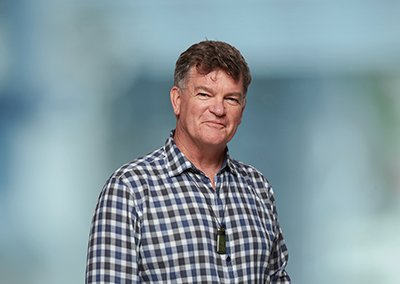
Ōpōtiki-based GP and clinical director of Pinnacle Midlands Health Network, Dr Jo Scott-Jones, has spoken to rural GPs about how fuel increases are affecting them.
He said doctors going out on prime calls - when GPs escort the ambulance service during emergency callouts - were already facing added costs.
"They're already seeing the impact of the fuel prices on filling up the prime car, and they're reflecting that there have been no increasing prime payments to help them with additional cost.
And Dr Jo said GPs were preparing in other ways as well.
"People are looking ahead at potential stock issues and starting to order stock and medical supplies over and above what they would normally carry this time of year.
"They're worried about suppliers and potentially cost of deliveries into the rural communities into the future as well."
Dr Jo said he knew of patients reluctant to drive to Waikato Hospital, and at his own practice more people were asking to speak to a doctor through their digital services.
He added that some practices were starting to ramp up their telehealth services, similar to what happened during the Covid pandemic, to minimise travel costs for patients.
"It would be great to see the hospital services thinking about this as well, for those patients who are coming in for a follow-up for outpatients as well.
"The Midlands region where I do most of my work, it can be several hours of driving to get to the hospital and then several hours to get back. Those additional costs are really significant."
He supported the government's $50 payment to help families with additional fuel costs.
However, he also wanted an urgent review of the current transport arrangements and support for patients who need to go into hospital.
"If we can help target really necessary medically important travel through a transport scheme, that would be really useful."
Dr Jo Scott-Jones shares his thoughts on the workforce crisis, likening it to the perceived impossibility of the Chernobyl disaster.
Read moreBay of Plenty/Waikato Faculty of RNZCGP invites all GPs (including non-faculty members) and GP registrars in the GPEP programme (years 1-3) to register for collegial support service – Ka Hono.
Read moreThis new programme is a collaboration between Te Runanga o Kirikiriroa (Facilitation Service) and general practices.
View detailsGPs in each of our districts get frustrated when they hit barriers when seeking interventions from other providers. There is a perception that DHB services are becoming more difficult to access and that different DHBs have different levels of service available to their communities. This page outlines our process for advocating alongside practices.